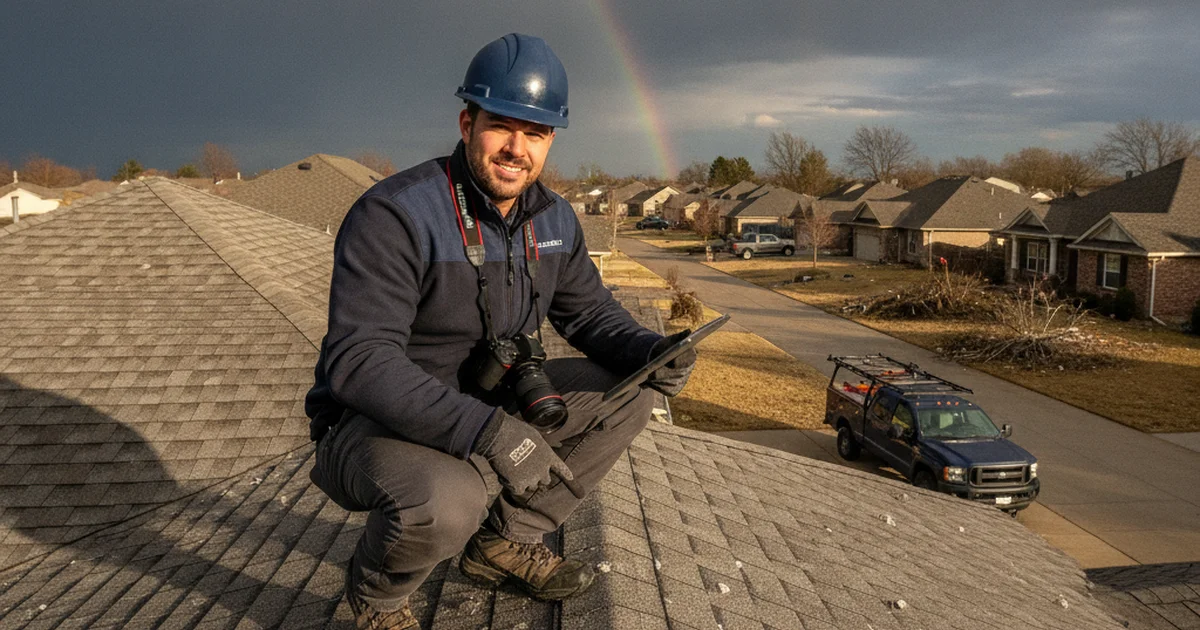
Hail the size of a quarter, straight-line winds, or a fallen branch — Michigan storms leave roofs with damage that’s easy to miss from the ground. Khabar Nonstop is licensed & insured and inspects storm damage across Detroit, Grand Rapids, and Warren within 24 hours of your call.
What Storm Damage Looks Like on a Detroit Roof
Hail bruises shingles and knocks granules loose, which shortens the life of the roof even when there’s no visible hole. Wind lifts shingle edges and tears flashing loose around chimneys and vents. After a bad storm, we check every slope of the roof, not just the side facing the street.
How We Help With Your Insurance Claim
Insurance claim assistance is one of the most requested parts of our storm damage service, and it’s built into every visit. We document damage with dated photos, write a clear damage report, and meet your adjuster on-site if needed to make sure the claim reflects the actual condition of the roof — not just what’s visible from the driveway.
Homeowners who skip a professional inspection after a storm often end up with a claim denied or underpaid because the damage wasn’t documented properly. We’ve seen adjusters miss hail bruising that only shows up on close inspection, which is why we walk the full roof surface, not a quick visual pass.
Free Storm Damage Inspections
Every storm damage inspection is free, with no obligation to move forward with repairs. We give you a written report either way, so you have documentation on file even if you decide to wait.
Repair vs. Replacement After a Storm
Isolated wind damage — a handful of missing shingles — is usually a straightforward roof repair. Widespread hail bruising across the whole roof, or damage to the decking underneath, typically points toward a full roof replacement, which insurance often covers when storm damage is the documented cause.
Michigan Storm Season Timing
Michigan sees the heaviest hail and severe wind activity from late spring through summer, with ice and heavy snow load adding stress to roofs each winter. Scheduling a roof check after any major weather event — not just visible leaks — catches problems before they turn into a bigger repair bill.
How to Prepare for the Next Storm
Trim overhanging branches near the roofline, clean gutters before storm season so water has somewhere to go, and take dated photos of your roof’s current condition. Having a “before” record makes it easier to prove new damage after a storm hits.
Documenting Damage Yourself
If you notice damage before we arrive, photograph it from the ground with a zoom lens rather than climbing onto the roof — a fall risk isn’t worth it. Note the date and any specific weather event, like a hailstorm on a certain evening, since insurers often ask for a timeline.
Interior signs matter too: a new ceiling stain, water around a light fixture, or a musty smell in the attic can all point to storm damage even if the roof looks fine from the street. Mention any of these when you call so we check those specific areas closely.
Frequently Asked Questions
Does insurance usually cover storm damage roof repair?
Most homeowner policies cover storm damage when it’s properly documented. We provide the photo report and documentation your adjuster needs.
How soon after a storm should I get an inspection?
Within a few days is ideal. Some damage, like hail bruising, can worsen with additional weather exposure if left unaddressed.
Will you meet with my insurance adjuster?
Yes, we meet adjusters on-site whenever it’s helpful for the claim, and provide our own written damage report either way.
What if my claim gets denied?
We can provide additional documentation or a second written assessment to support an appeal if your initial claim is denied.
Do you charge for the storm damage inspection?
No, storm damage inspections are always free, whether or not you move forward with repairs.
Had a storm roll through recently? Get a Free Roof Inspection and find out where you stand before you file a claim.