About Arima Onsen
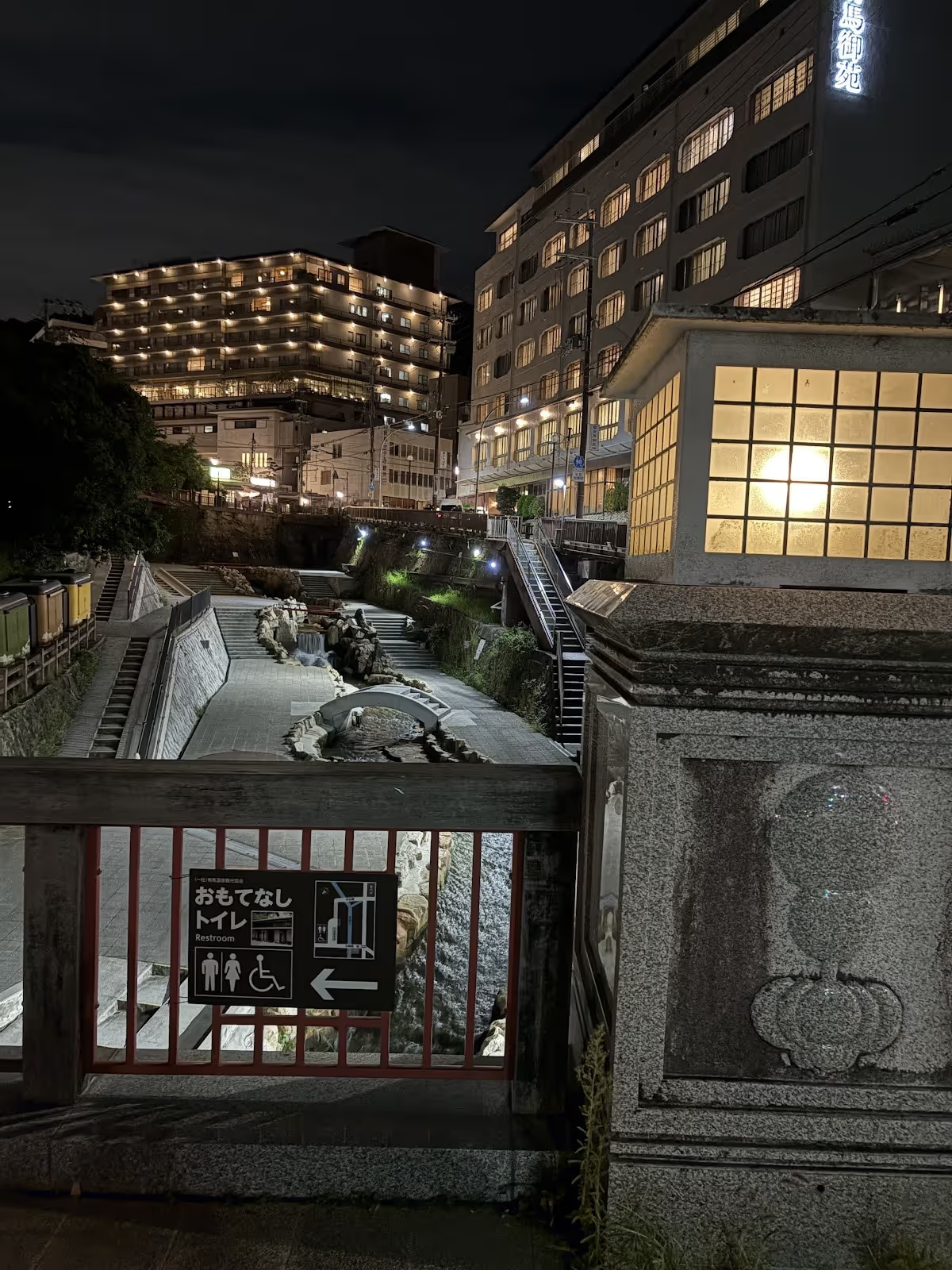
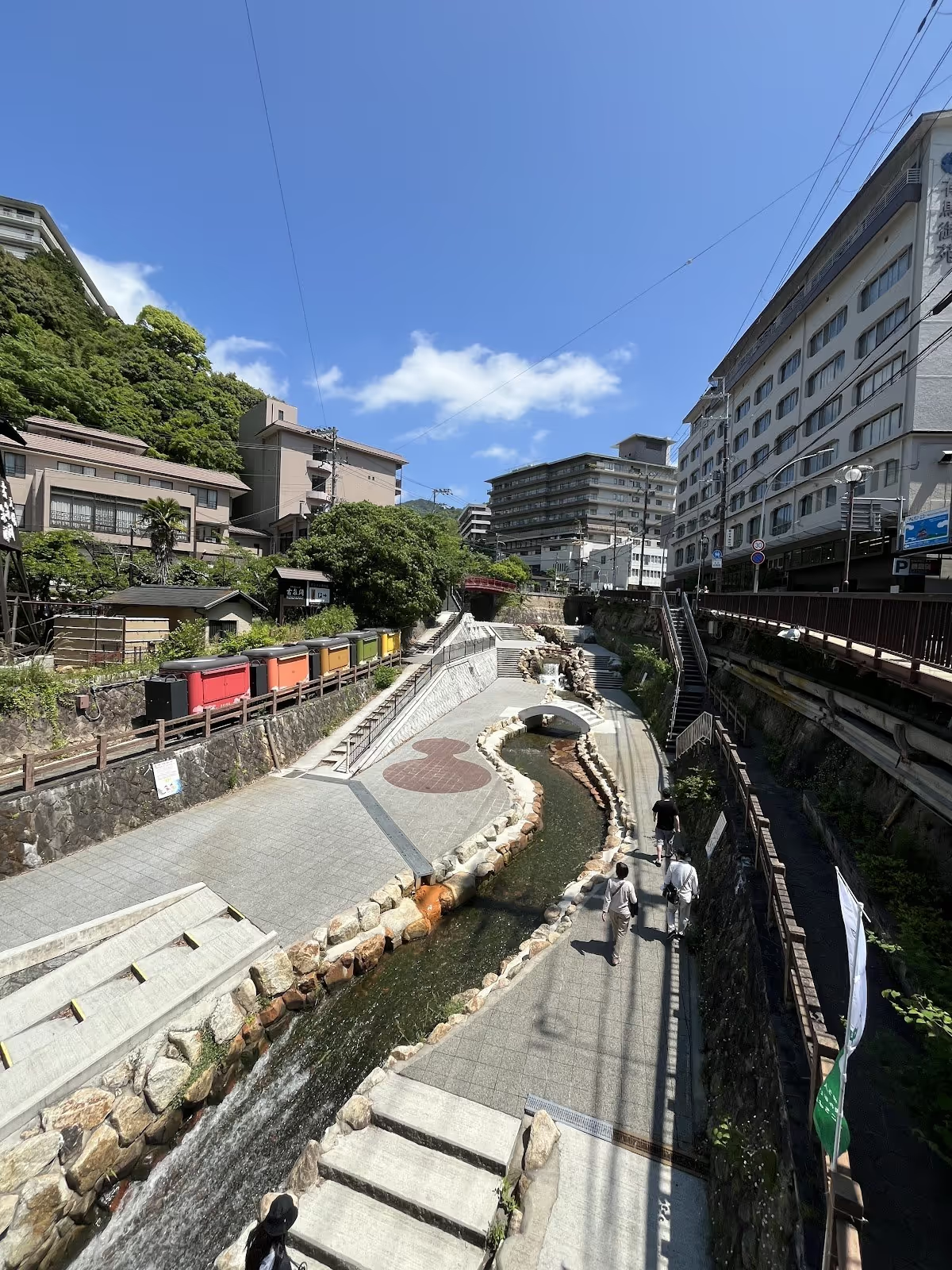
One of Japan’s oldest hot spring towns, tucked into the mountains behind Kobe. Its famous “gold” spring runs rusty-brown with iron, while the “silver” spring is clear and lightly carbonated — two completely different soaks in one small town.
Two public bathhouses, Kin no Yu and Gin no Yu, make it an easy day trip from Osaka or Kobe, and there’s a free foot bath outside Kin no Yu for a taste without the ticket.
- Good to know: tattoos are generally not accepted at the public bathhouses; ryokan with private family baths are the workaround.
- When to go: weekday mornings are calmest; autumn colours in the surrounding hills are superb.
Highlights
Naturally heated water at 38–44°C.
Maintained public pools, easy and affordable.
Fun and relaxing for all ages.
Paid – from ¥700
What to expect
Warm, maintained pools that suit all ages and swimming levels.
Changing rooms, lockers and usually a café or picnic area.
Affordable tickets, often with family and season passes.
Many sit in parks — bring a picnic and stay a while.
Getting there
Arima is 30-40 minutes from central Kobe or Osaka by direct bus or train (with a change at Arimaguchi). It is an easy half-day or full-day trip - no overnight needed, though the ryokan are lovely.
Who it suits
First-time onsen visitors (compact, accessible, well set up for beginners), couples and culture lovers. The town is small and walkable, with temples, shops and cafes between baths.
Safety & etiquette
Standard onsen etiquette applies: wash thoroughly before entering, no swimwear, keep your towel out of the water, stay quiet. The gold spring iron-rich water stains - rinse well and expect orange tints on light towels. Hydrate between baths.
Frequently asked questions
What is the difference between the gold and silver springs?
Kin-sen (gold spring) is rusty-brown, rich in iron and salt; Gin-sen (silver spring) is clear, lightly carbonated and prized for circulation. Try both - the two public bathhouses each specialise in one.
Kin no Yu vs Gin no Yu - which should I visit?
Kin no Yu (gold) is the livelier, more famous of the two; Gin no Yu (silver) is quieter and more local in feel. If time allows, do both - they are a short walk apart and each costs only a few hundred yen.
Are tattoos allowed at Arima Onsen?
Generally no at the public bathhouses - this is the main restriction for international visitors. The workaround is a ryokan with private family baths (kashikiri), which many Arima inns offer; book ahead.
Can you do Arima as a day trip?
Easily - from Osaka or Kobe it is under an hour each way. There is also a free foot bath outside Kin no Yu if you just want a taste. Staying overnight in a ryokan with kaiseki dinner is the deluxe version.
When is the best time to visit Arima?
Weekday mornings are calmest. Autumn colours in the surrounding mountains are superb, and winter evenings give you steaming outdoor views.
Soaker reviews
No reviews yet — be the first to report back from the water.
More springs in Japan

Discover Arima Onsen
Thermal waters, rich history and charming streets make this a unique destination for wellness and culture.
Explore the area →
Leave a soak report